

Re-Examining Print
Clinging to the Physical Page in an Age of Chaos

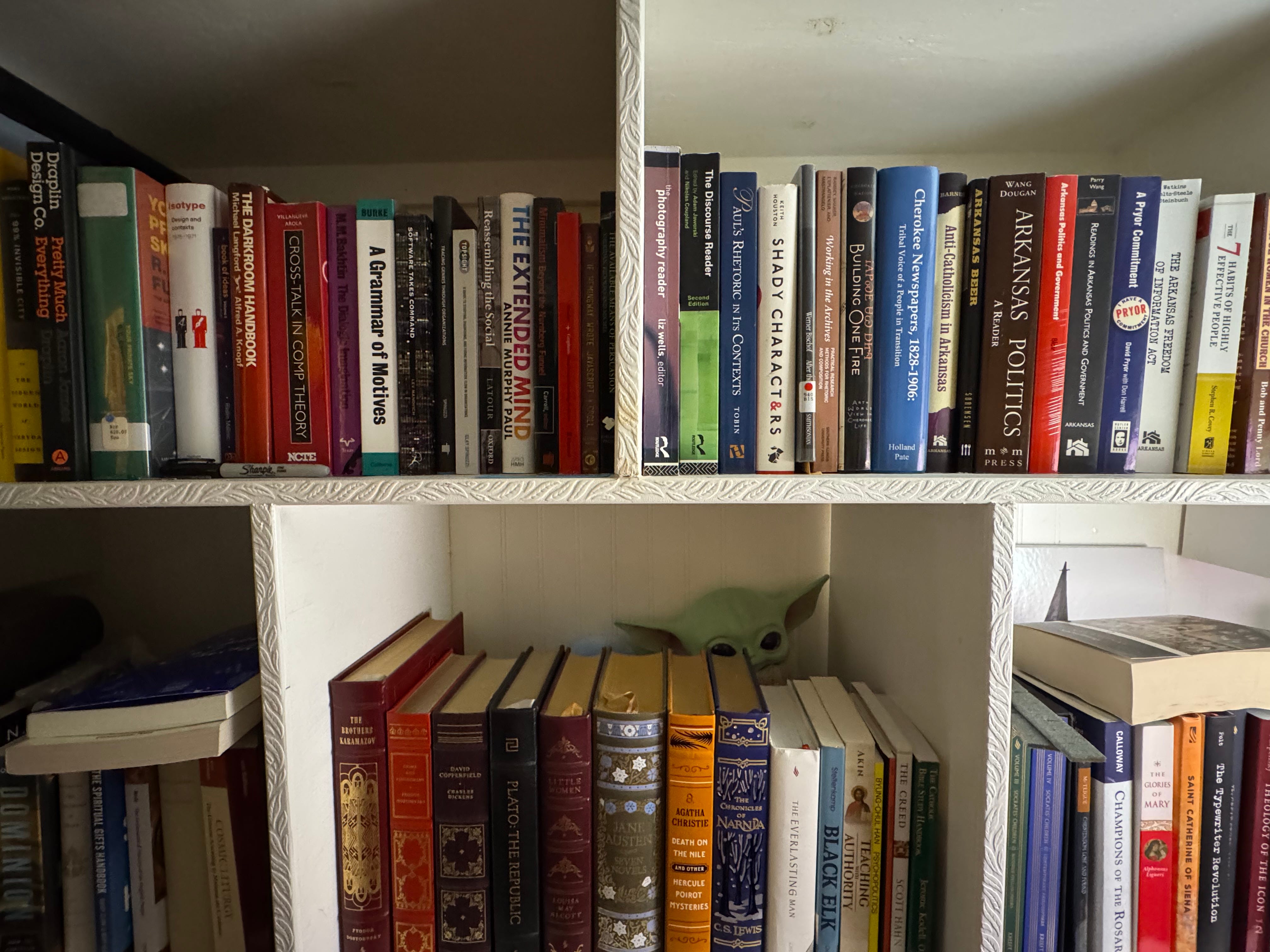
Yesterday Pope Leo XIV emphasized the importance of reading books for thought, reflection, study, and spiritual formation in his talk with staff at the Vatican Publishing House. He remarked that the physicality of printed books helps us engage with the author in a way digital formats can’t. A physical book, he said, is “a bridge to others, a source of dialogue that enriches us, a stimulus to expand our own perspective.” He also emphasized how reading guards us against “fundamentalism and ideological shortcuts.” Unfortunately fundamentalism and ideological shortcuts are a normal part of our daily lives.
Though physical books have always had its fierce defenders, I’m sure if a pope said this fifteen years ago we would have rolled our eyes a little harder in our naive technological optimism. Now we’re fatigued and welcome anything that takes us away from the addiction of the screen. Unfortunately we live in a time where we have to be reminded of the importance of reading, like we’re fifth graders listening to a lecture from our teacher. But instead we’re full-fledged adults reading less and less. Digital rot is regressing our development. Though I understand the irony of making these claims on a digital platform, I am trying to pivot more to the printed page.
Document Design
When I was in college in the 2010s, document design was an essential element of course curriculum. Life was pivoting to digital, so we were in that strange middle ground that emphasized web design (Javascript almost sent me to a mental institution) and printed document design. Back then, it felt like printed document design was a dying art, but I still used it to create printed documentation in my graduate assistantship. To explain the role of a technical writer (which I have to do often), I simply say, “I teach on paper.” While it’s easier to research how to do something online, whether through a YouTube video or help system (written by technical writers), well-written printed documentation still has its merits. It allows your voice to flow as a teacher would when they are explaining concepts in a classroom. It provides context in ways short how-tos can’t.
When I created a research magazine at work, we asked ourselves every year if we should still create a printed publication or pivot to digital. It was sorely tempting to pivot to digital, but every time we decided against it, because unless you have the funds to create a top-tier website for the project, all of your stories are going to fade into the sea of internet content. But a printed publication, though still expensive, allowed your audience to see the publication in their hands. So every year I section off four months for interviews, writing, approvals (higher education red tape) and two months for designing in inDesign. It was always a safe bet, and we received a lot of positive feedback from the printed publication.
AI is also increasingly gaining traction online, where we see the flat, formulaic writing at an increasing rate, with its constant binary phrasing with em dashes: “Life is not about holding back — it’s about being your best self.” It’s gross and fatiguing to constantly sift through the AI slop we read online.
Printed Books
This experience helped me when I decided to create my printed publication for paid Substack subscribers. It was an opportunity for me to format my words onto the page instead of the fluid endless sea of ones and zeros. I didn’t want to pay for a subscription for inDesign, or any Adobe products, so I used Apple Pages, which surprisingly worked as well as inDesign for my needs. Pages doesn’t use master pages, but they weren’t needed for this experiment. It also doesn’t allow you to set bleeds (extra margin space that prevent the printers from cutting part of the text in your publication), but I mitigated that by increasing the document size by a quarter of an inch. So an 8.5x11 document would be 8.75x11.25. Pages incorporates snap-to gridlines that helped me easily place text and images onto the document in a way Microsoft Word just doesn’t understand.
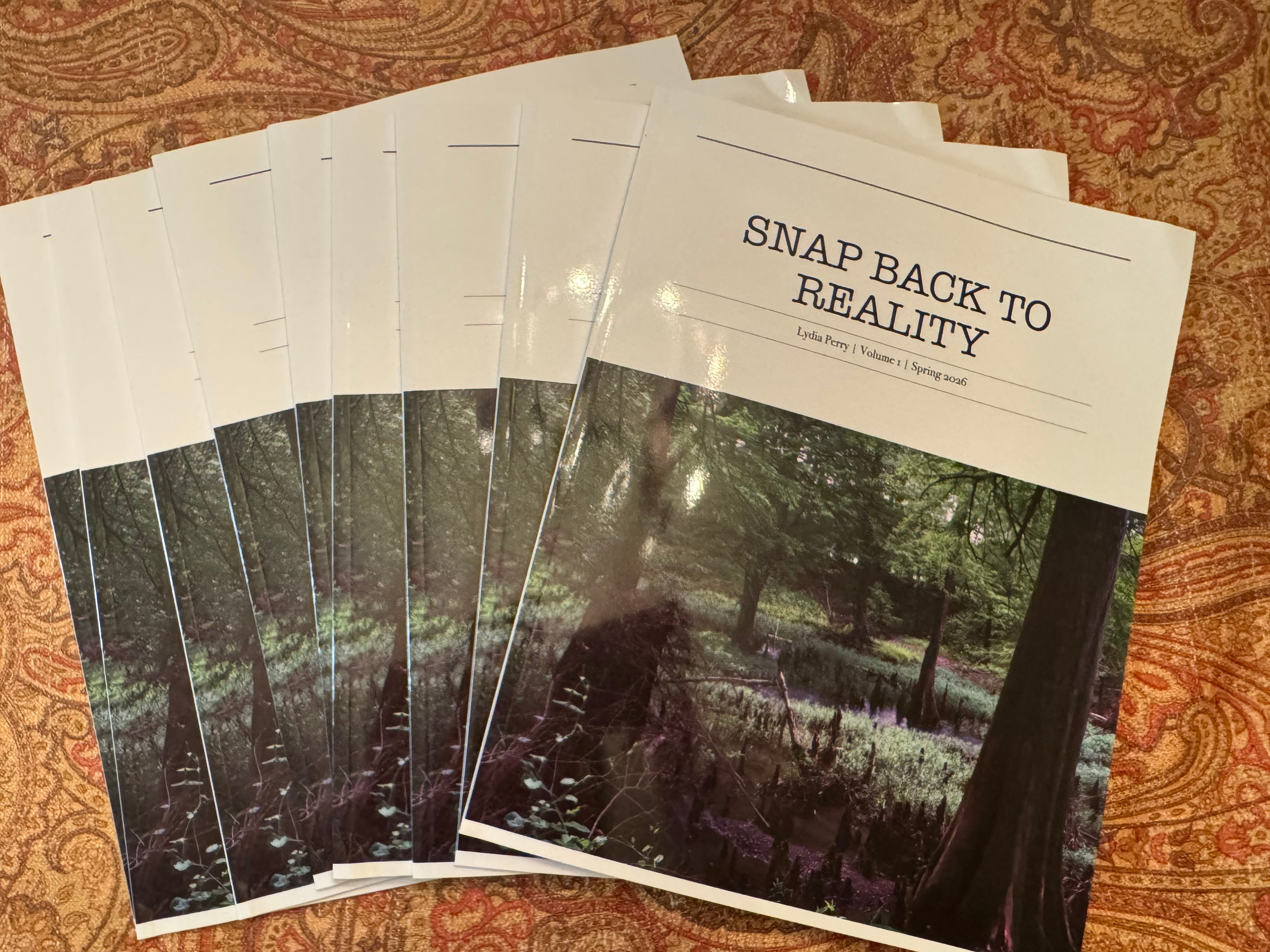
I hope the publication allowed my audience to reflect on my words more deeply, as Pope Leo described. I received good feedback. My dad, after looking through it again, jokingly advised me to get drunk, because I’m really deep. I guess my plan worked.
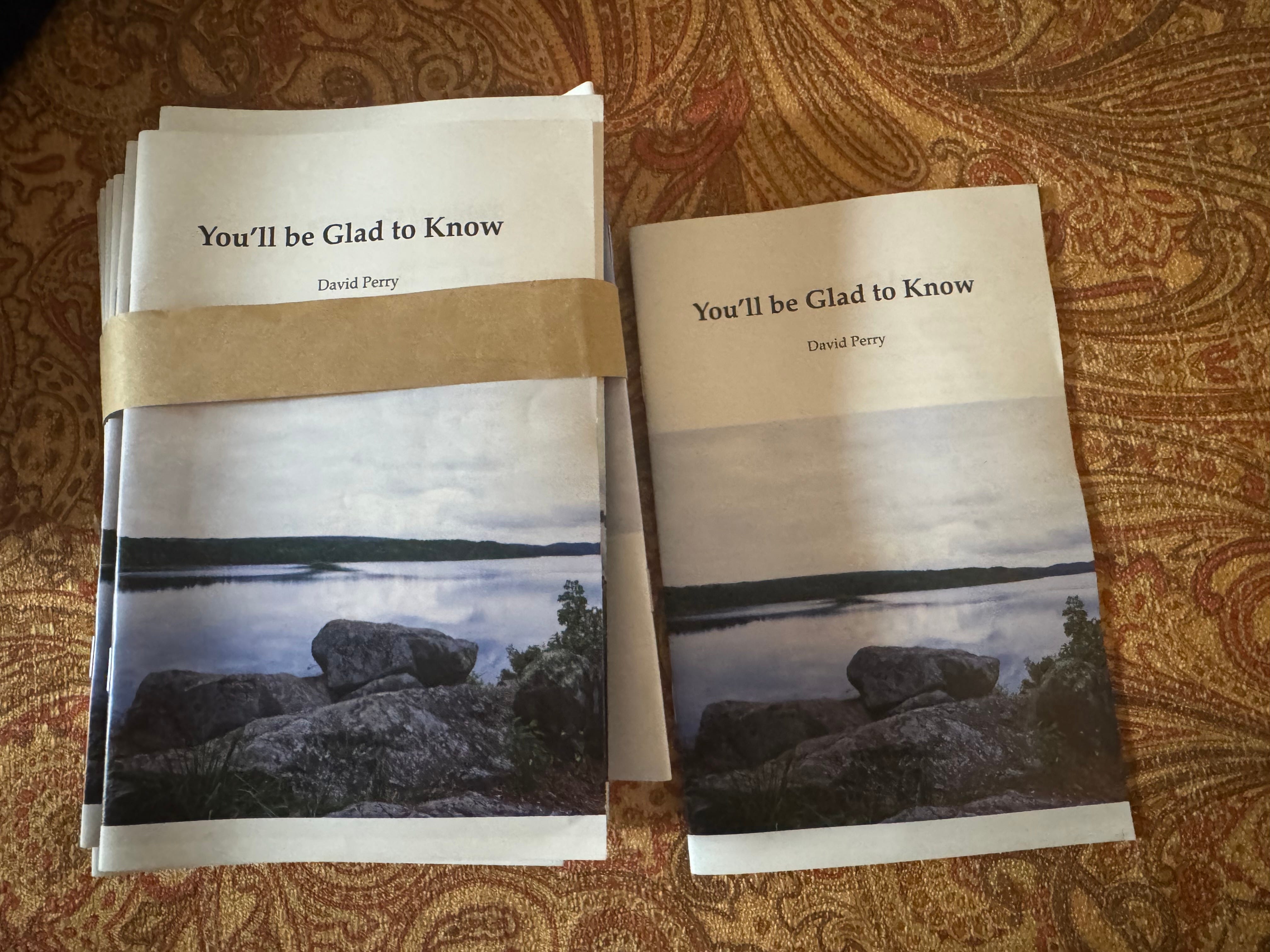
After I printed and shipped my publication, I set out to create one for my dad’s Substack. He has always wanted to evangelize through writing, and I thought he would appreciate seeing his writings in printed form to give out to people. He did, and already wants to write new articles and revise his previous ones for a new printing.
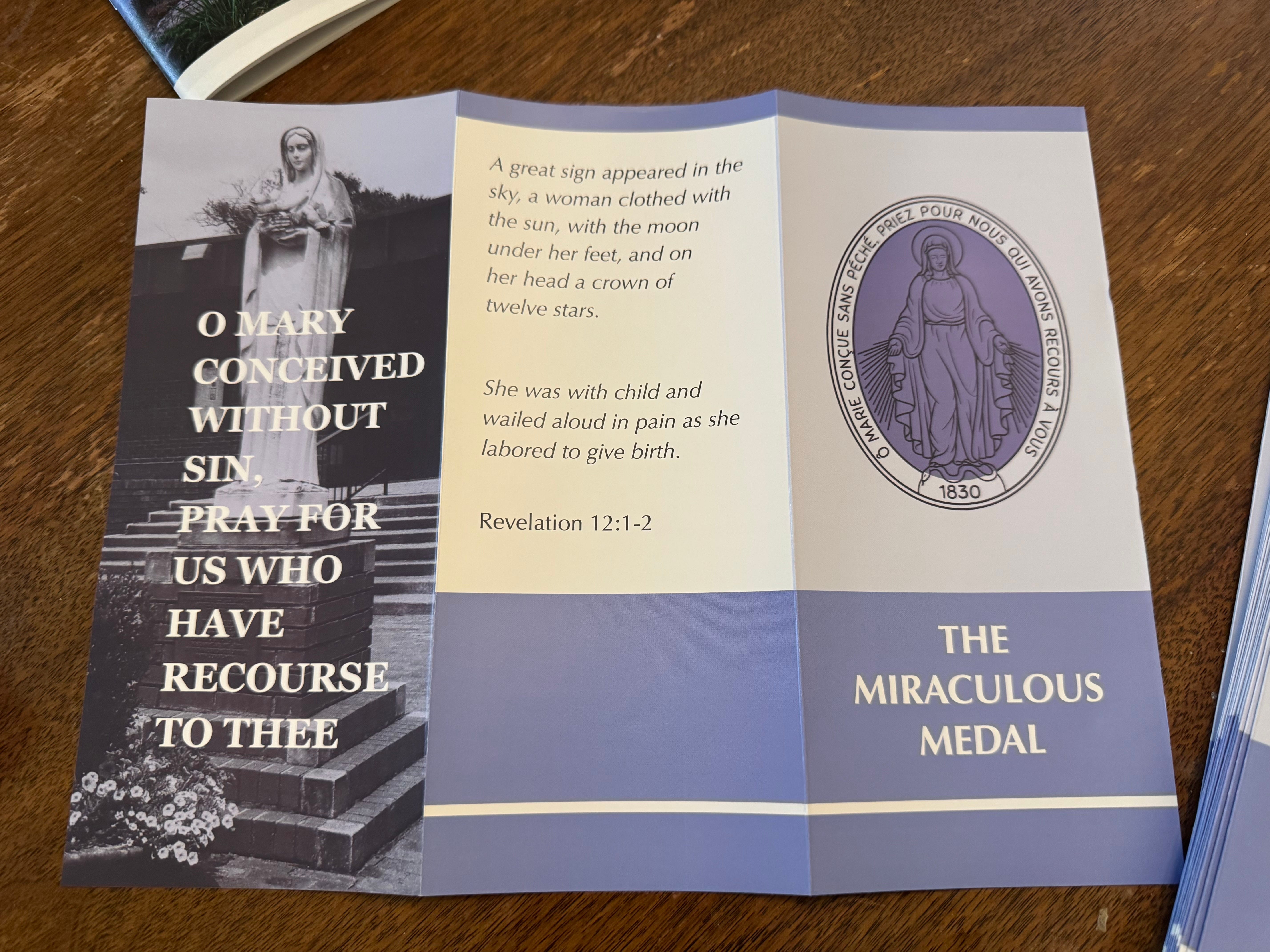
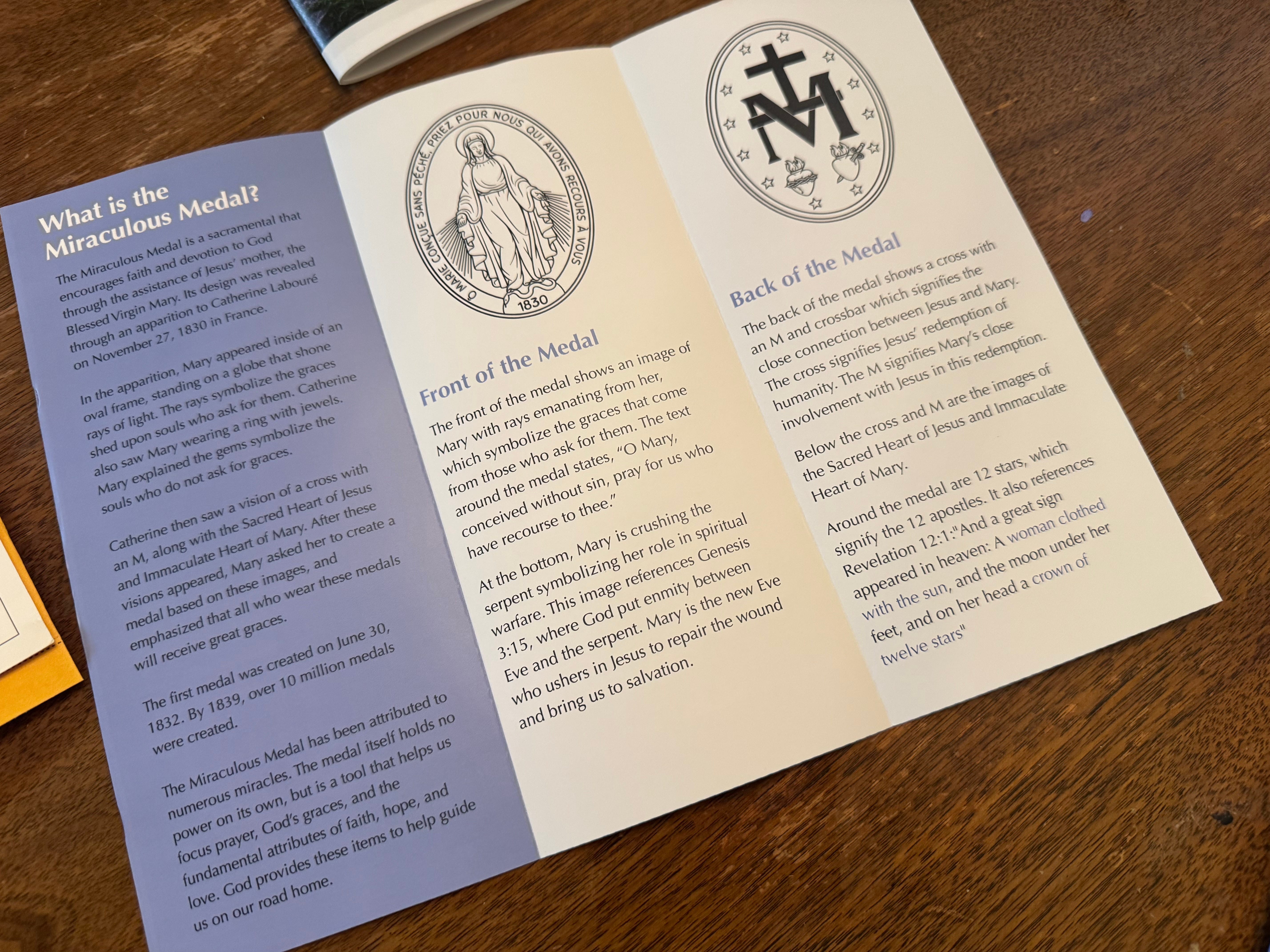
This project inspired me to create more printed material. Last month, I attended a street evangelization training at my church. Catholics aren’t known for street evangelization, but it was an interesting session that taught us how to share our faith with others that isn’t confrontational or uncomfortable. One emphasis is through passing out Miraculous Medals, a sacramental that helps others grow in their faith through the intercession of the Blessed Mother. I decided to create a trifold brochure on the history and meaning of the Miraculous Medal. My priest liked the brochure, and asked if he could pass out copies in the confessional.
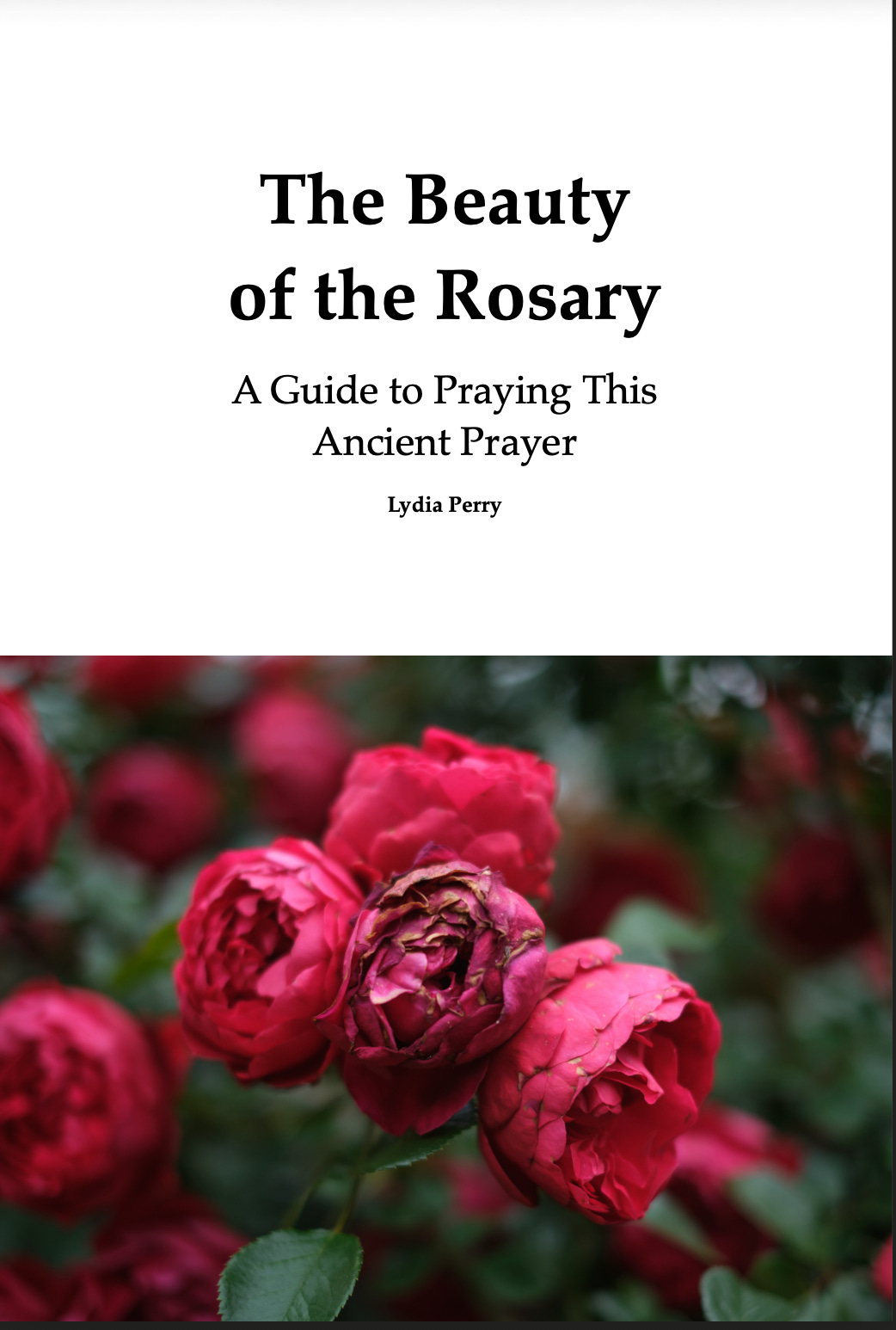
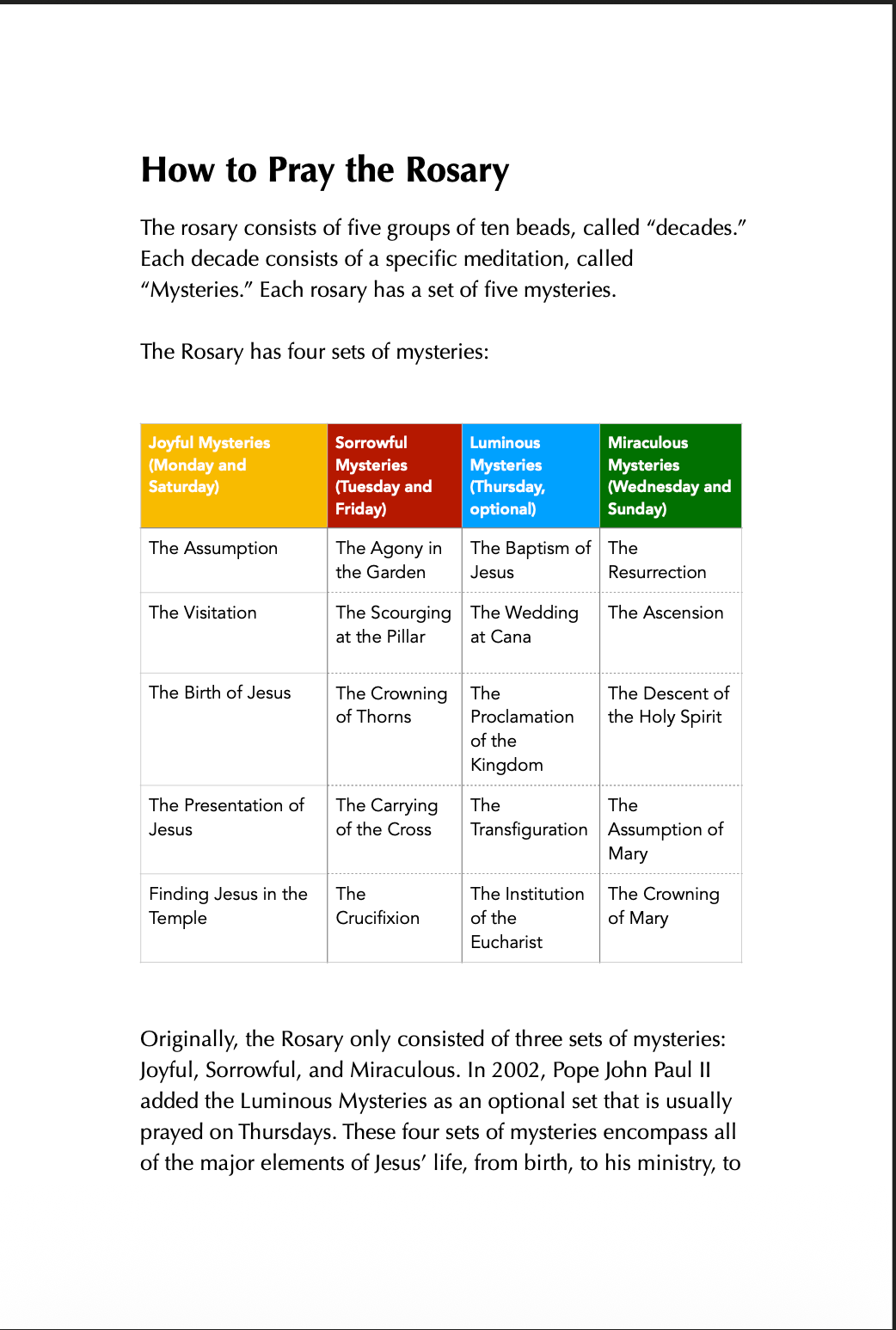
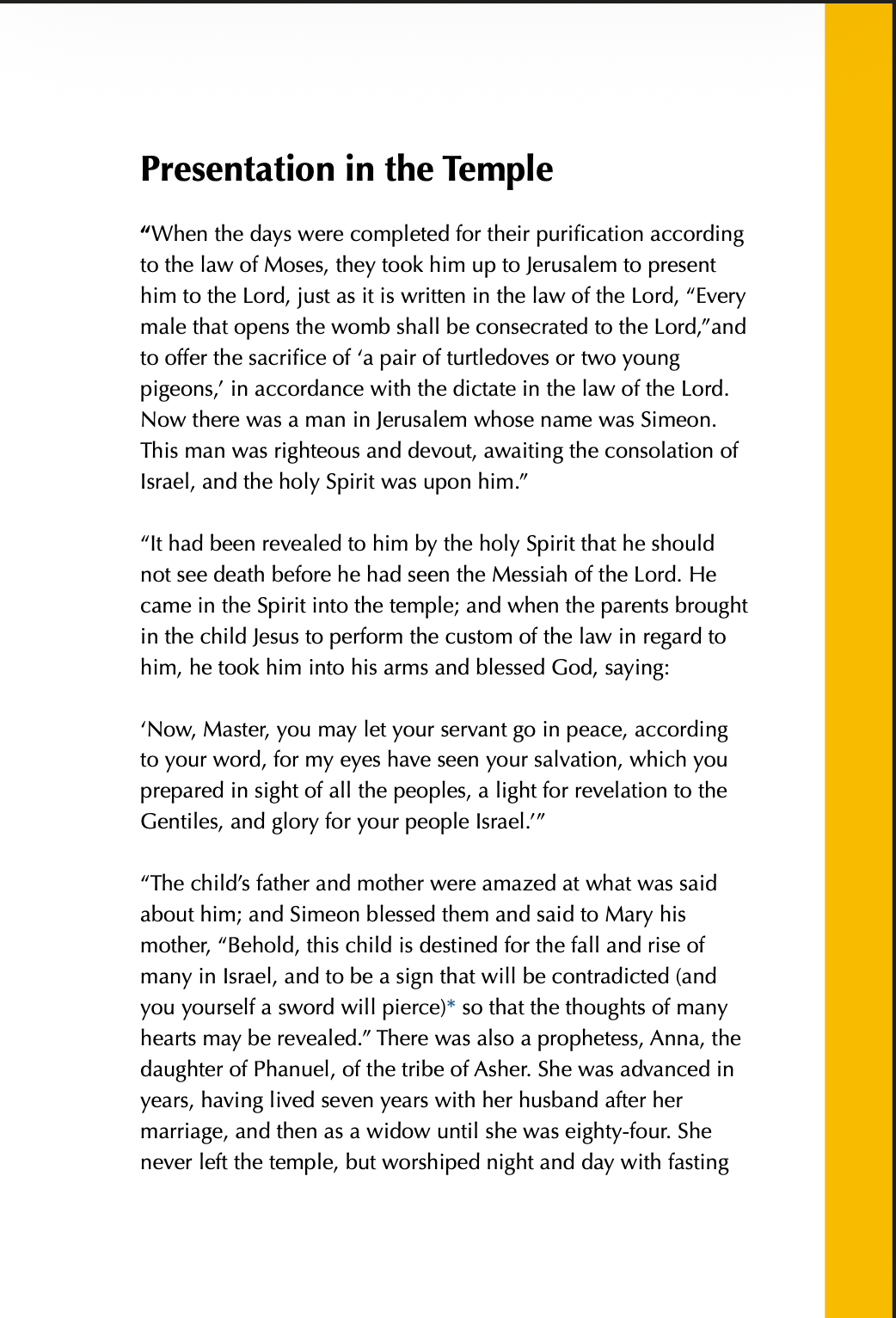
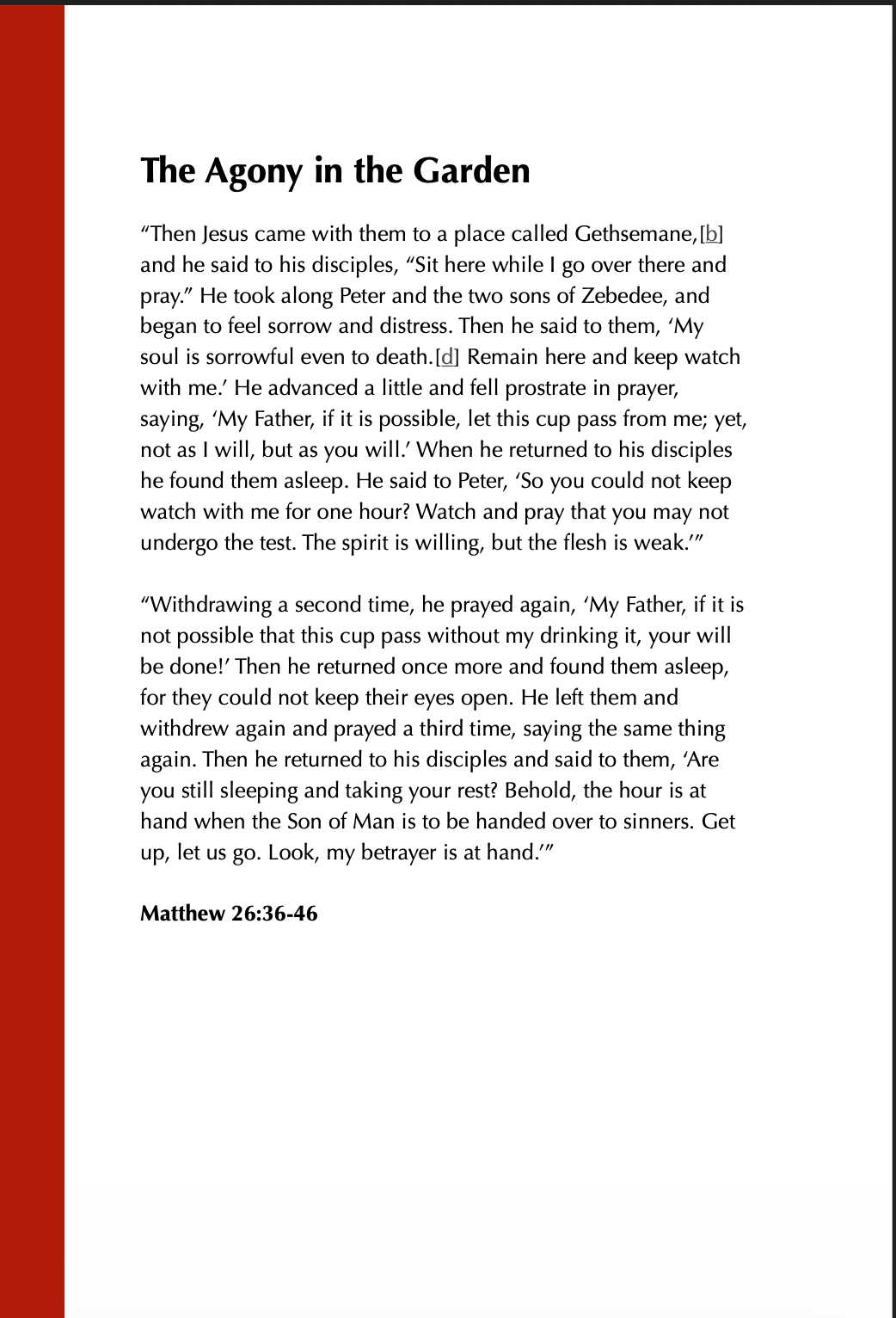
I then moved onto a project I started several years ago when I worked in teen and young adult ministry: a color-coded Rosary guide that explains what the devotional is, along with Bible verses that accompany each Mystery. My original plan was a set of cards with verses, but I decided to instead turn it into a guide that dives into a deeper explanation of how to pray the Rosary.
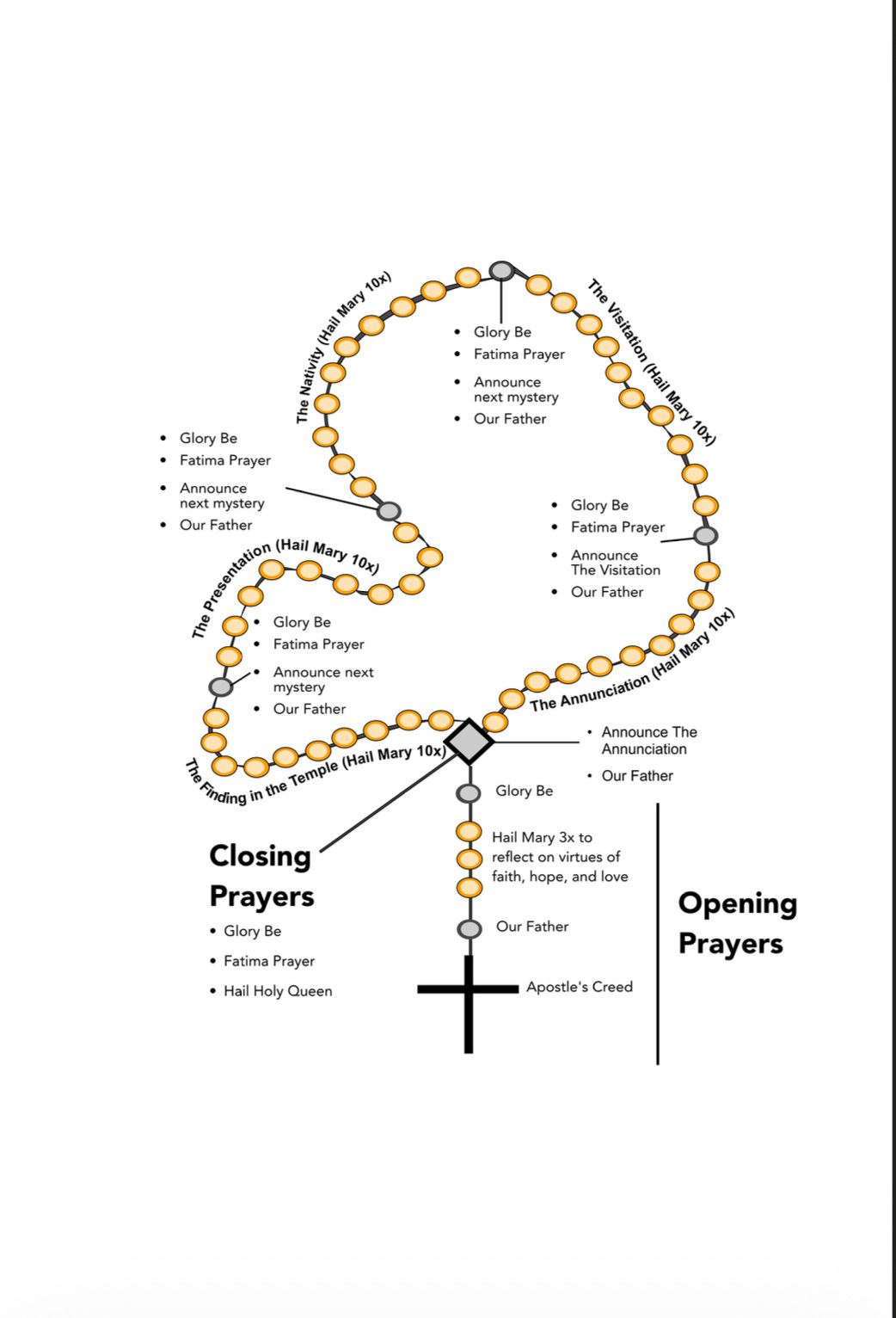
I used four colors throughout to differentiate the different Mystery sets: yellow for Joyful, red for Sorrowful, blue for Luminous, and Green for Miraculous. I also used Affinity Designer to design a Rosary graphic, again, color-coded for each section. My hope is that this guide will help relieve apprehension for people who don’t know how to pray the Rosary, which can be an intimidating practice for those starting out. I printed off 10 copies as a test run.
These experiences have allowed me to evangelize on paper, away from social media, AI, and the fluid nature of the Internet. Though I often speak negatively about the current digital world we wrap ourselves in, I spend too much time on the internet and away from the printed page more often than I care to admit. It is because of this that I feel the call to pivot to print when I can to find some steadfast physicality while I try to understand and comprehend reality. May we all distance ourselves from fundamentalism and ideological shortcuts.
Good job cuz! Nice read.
Your words create pictures. It’s always a joy to read because you share your heart. I have zero room in my home for a library so my Kindle is my library. It was a gift when I was going through chemo every day and I complained about having to carry several books in my bag. I read constantly and didn’t know what would appeal next, so I took several. Heather had a librarian friend who loaded me with books as they were removed from their shelves. All of those ended up in waiting rooms at UAMS.
I grew up in Ft. Smith where both parents worked and I was left alone. I walked around the town every day and when I discovered the library, it changed my life. I suddenly had a place that made me feel safe and entertained. We’re talking the 50’s where I actually WAS safe. Great memories!